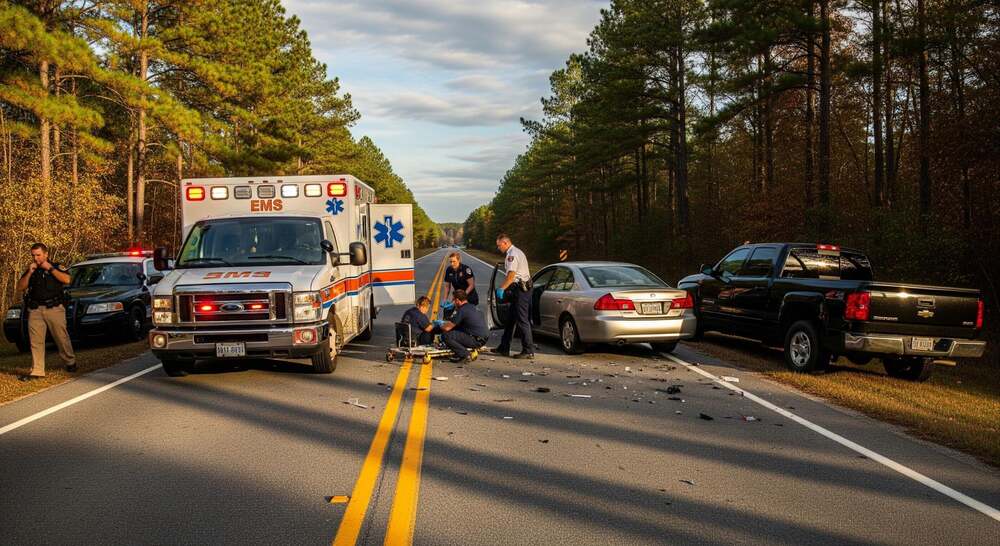
If you have been in a minor accident in North Carolina, such as a low speed rear end or fender bender on a busy roadway, you may wonder whether hiring a lawyer is worth it. When vehicles are still drivable and you do not feel obvious injuries at the scene, it can seem like something you should handle yourself.
Whether that is a safe choice often depends on how symptoms develop over the next few days, how clear fault is, and how the insurance process unfolds. North Carolina’s contributory negligence rule, uninsured and underinsured motorist coverage, and filing deadlines can all affect whether a small claim stays simple or becomes contested.
Quick Answer: When Hiring a Lawyer Is Usually Worth It
In North Carolina, you may not need a lawyer for every minor car accident. When damage is small, there are no injuries, and the insurance company cooperates, many people resolve these claims on their own. On the other hand, if you have symptoms, missed work, fault disputes, or pressure to settle quickly, legal help often becomes worth considering because a minor claim can change direction fast.
Often not necessary:
- The accident involved only property damage, your vehicle is repairable, and you have no pain or physical symptoms.
- Liability is clear, such as being hit while stopped in traffic, and the other driver’s insurer accepts fault in writing.
- The insurer pays for repairs and a reasonable rental or towing costs without dispute.
- You did not miss work, did not see a doctor, and feel the same in the days after the crash as you did before it.
Strong reasons to talk to a lawyer:
- Pain, stiffness, headaches, dizziness, or other symptoms after the accident, even if they appeared a day or two later.
- Missed work, reduced hours, or job restrictions because of injuries.
- An adjuster suggesting you were partly at fault or using phrases like you stopped too suddenly or you share responsibility.
- Pressure to give a recorded statement or sign a quick settlement and release.
- Low liability limits, no insurance, or potential UM or UIM involvement.
- Disagreement about how the crash happened, especially in parking lots, lane changes, or merging situations.
- Approaching deadlines or feeling overwhelmed by medical bills and insurance paperwork.
If more of your situation fits the second list than the first, a consultation can help you understand your options before you accept a settlement or give detailed statements.
Do I Need a Lawyer for a Fender Bender in North Carolina?
A fender bender usually means a low speed collision with cosmetic damage and no obvious injuries, such as a slow rear end at a traffic light or a parking lot scrape.
When there is minor damage, no pain in the days after the crash, clear liability, and a cooperative insurer that repairs your vehicle without issues, you may be able to resolve the claim without a lawyer.
Be more cautious if you:
- Develop neck, back, or head symptoms within the next 24 to 72 hours.
- Encounter a dispute over what happened or receive questions that push you to guess about fault.
- Feel pressured to sign a release or accept a settlement before you are confident you are fully recovered.
North Carolina contributory negligence can make careless statements about fault costly. If the insurer begins focusing on partial blame or your symptoms are not resolving, a consultation is usually worthwhile.
Biggest Red Flags After a Minor Accident
Some minor accidents stay simple. Others show warning signs that the claim is becoming contested or that the insurer is treating it as property damage only even though you are dealing with real symptoms or costs.
Red flags to watch for:
- Pain or soreness that appears or worsens in the days after the crash.
- Head symptoms such as headaches, dizziness, nausea, or vision changes.
- Numbness, tingling, or weakness in your arms or legs.
- Requests for a recorded statement that goes beyond basic facts.
- Pressure to sign a broad medical authorization instead of providing specific records.
- Comments about pre existing conditions as a reason to discount your symptoms.
- A settlement offer before your treatment is complete.
- An at fault driver who is uninsured, underinsured, or difficult to identify in a hit and run.
- The insurer repeatedly calling it a small bump or property damage only while you are still in pain.
Seeing several of these red flags is a strong signal that legal advice could protect you from avoidable mistakes.
What a “Minor Accident” Usually Means and Why It Gets Complicated
Most people use minor accident to describe a low speed collision where:
- Vehicles can be driven away
- Body damage appears limited
- There are no obvious injuries at the scene
Even when the crash seems small, the label can be misleading. Hidden damage can lead to higher repair costs or diminished value. Hidden injuries can develop hours or days later, including soft tissue injuries, concussions, and back problems. A claim can also become complicated if fault is disputed or the insurer focuses on partial blame and treatment gaps.
What Counts as a Minor Car Accident in North Carolina?
Minor accident is not a legal category. Practically, it often involves low speed contact with limited visible damage and no airbag deployment. Many people feel well enough to exchange information, call law enforcement if appropriate, and drive home.
A low speed collision can still cause injuries and lead to medical bills and lost income. Even when the crash seems minor, what you document and how you communicate can affect whether the insurer accepts the claim.
Why North Carolina Fault Rules Make Small Details Matter
North Carolina uses a pure contributory negligence rule for most car accident cases. Under this rule, if you are found to have contributed to the accident in any way, even slightly, you may be barred from recovering compensation from another at fault driver.
Because of this, insurers may focus on small details, such as a late signal, a quick lane change, or stopping more abruptly than expected. They commonly evaluate what is in the police report, what you say in calls or forms, and what appears on social media.
What Is Contributory Negligence in North Carolina?
Contributory negligence is a rule that can prevent an injured person from recovering compensation if their own negligence helped cause the accident.
Insurers may look for facts they can frame as carelessness, such as:
- Following too closely in stop and go traffic
- Failing to check mirrors before changing lanes
- Rolling through a stop sign or pushing a yellow light
- Driving a little over the limit in heavy traffic
If fault becomes disputed, it is safer to keep statements factual and limited. Avoid guessing about speed, distances, reaction time, or what another driver saw. Preserve any photos, dashcam video, and witness contact information when you can.
Can I Recover If I Was Even Slightly at Fault in North Carolina?
In many North Carolina car accident cases, even slight fault can limit your ability to recover compensation from the other driver. If an insurer or court concludes that your actions contributed to the crash, the claim may be denied.
There are narrow doctrines that can sometimes affect how the rule applies, but they are fact specific. If an adjuster tells you that you were a little bit at fault or suggests shared responsibility, treat that as a meaningful development and consider getting legal advice before you accept a denial or low offer.
Insurance Company Issues That Often Decide Whether a Lawyer Is Worth It
After a minor accident, you will almost always deal with insurance companies. Adjusters may be courteous, but they evaluate claims with an eye toward minimizing payout. In a contributory negligence state, that often means challenging how the crash happened, questioning whether injuries are related, and using treatment gaps as a reason to discount symptoms.
Minor claims are also frequently handled with standardized workflows that assume property damage only. When you report pain after a low speed impact, you may see more scrutiny, more paperwork requests, and more pressure to settle before the claim grows.
Typical issues include:
- Requests for recorded statements
- Quick settlement offers paired with broad releases
- Comments about pre existing conditions
- Assumptions that the claim is property damage only despite ongoing pain
- Treating gaps in treatment as proof your injuries are not serious
Should I Give a Recorded Statement After a Minor Accident in North Carolina?
A recorded statement is an interview where an adjuster records your answers about the accident and your condition. It may be presented as routine, but it can be used to identify inconsistencies or to argue that you admitted partial fault.
You usually need to cooperate with your own insurer, but that does not always require a broad recorded statement. You generally do not have to give a recorded statement to the at fault driver’s insurer.
If you are asked for a recorded statement, it is safer to:
- Stick to basic facts about when and where the crash occurred and which vehicles were involved.
- Avoid guessing about speed, distances, right of way, or what another driver was doing.
- Pause and get advice if the questions become detailed or accusatory.
Should I Accept the First Settlement Offer After a Minor Accident?
The first settlement offer after a minor accident can be appealing, especially if it arrives quickly while you are dealing with repairs and early bills. Many early offers come before symptoms have fully developed or before your provider has a clear sense of what treatment you will need.
Accepting usually requires signing a release of all claims. That can permanently end your ability to seek additional compensation related to the accident, including future medical bills and lost income tied to injuries that become clearer later. Before accepting a first offer that includes any injury component, it can help to have the amount and release language reviewed.
What Should I Do If the Insurance Company Downplays My Minor Accident?
If an adjuster keeps calling your crash just a fender bender while you feel real pain or financial strain, focus on consistency and documentation.
You can:
- Be clear and consistent when describing your symptoms and limits.
- Seek medical evaluation and follow your provider’s recommendations.
- Put important updates in writing.
- Avoid agreeing that the accident was no big deal if you are not fully recovered.
- Document your cooperation and save key correspondence.
If the insurer continues to dismiss symptoms, delays decisions without explaining what is needed, or pressures you to settle early, a consultation is often the next practical step.
Hidden Injuries After Low Speed Crashes and How to Protect Yourself
Low speed crashes can cause injuries that do not show up immediately. Adrenaline and stress can mask pain, and stiffness or headaches may appear as your body calms down. Whiplash, concussions, and lower back problems are common after rear end or side impacts.
It is wise to monitor symptoms closely for the first few days. Note when pain starts, what movements make it worse, and whether it affects sleep, driving, or work. If symptoms increase or do not improve, prompt medical evaluation helps protect your health and creates a clearer timeline.
Should I See a Doctor After a Low Speed Accident in North Carolina?
Many people hesitate to see a doctor after a low speed accident because they do not want to overreact. Sometimes soreness fades quickly, but persistent or worsening symptoms deserve evaluation.
It is safer to get evaluated when you notice:
- Pain or stiffness that does not improve
- Headaches, dizziness, or nausea
- Sleep problems or unusual fatigue
- Numbness, tingling, or weakness
Severe symptoms, head injury concerns, or significant pain may require emergency care. Otherwise, urgent care or a primary care visit may be appropriate based on your symptoms and medical advice.
How Can I Document Symptoms After a Minor Crash?
Documenting symptoms can strengthen credibility and create a clearer picture of how the crash affected you, especially when the accident is treated as minor.
Helpful steps include:
- Keeping a brief daily log of pain levels, locations, and activity limits
- Tracking appointments and therapy on a calendar and saving visit summaries
- Saving bills, explanations of benefits, and relevant receipts for prescriptions or supplies
- Taking photos of visible injuries such as bruises or swelling
- Keeping records of missed work, reduced hours, or modified duties
UM and UIM Coverage Can Matter Even in a Minor Accident
Uninsured motorist and underinsured motorist coverage can matter even after a minor collision. UM applies when the at fault driver has no liability insurance. UIM may apply when their coverage is not enough to cover your damages.
Even modest treatment can exhaust minimum limits quickly, especially when imaging, follow up visits, and therapy are involved. When UM or UIM is in play, timing and paperwork can become more technical than many people expect.
What If the Other Driver Is Uninsured or Underinsured in North Carolina?
If the other driver is uninsured, you generally look to your UM coverage and support the claim with the crash report, medical documentation, and proof of wage loss when applicable. If the other driver is underinsured, UIM coverage may help once their limits are exhausted.
Because settlements and releases can affect how UIM applies, legal guidance can be especially helpful when UM or UIM coverage is involved.
Does UM or UIM Coverage Apply If My Injuries Are “Minor”?
UM or UIM can apply even if injuries are described as minor in everyday terms. What matters is the other driver’s coverage, your medical and wage losses, and your policy limits.
A low speed crash that results in imaging, follow up visits, and several weeks of therapy can exceed minimum limits even if injuries are not life threatening.
How Do I Check My North Carolina Auto Policy for UM or UIM Coverage?
Your auto insurance declarations page lists your coverages and limits. Look for:
- Bodily injury liability limits
- Uninsured motorist coverage
- Underinsured motorist coverage
- Policy effective and renewal dates
If you are unsure how to read the declarations page, your insurer or agent can explain your limits. A lawyer can also review the policy and discuss how UM or UIM might apply.
Deadlines and Reporting Basics to Keep Your Options Open
Even for minor accidents, reporting expectations and timing can affect your options. Acting early helps preserve evidence, keeps witness memories fresher, and reduces the chance that treatment gaps become a central dispute.
Reporting rules also matter. Certain crashes must be reported to law enforcement, including accidents involving injury, death, or property damage above a set threshold. When fault or injuries are later disputed, having a crash report can be helpful.
How Long Do I Have To File After a Car Accident in North Carolina?
In most cases, you have three years from the crash date to file a personal injury lawsuit. Different timelines, often shorter, may apply in certain wrongful death claims or when government defendants are involved.
Because exceptions exist, it is safer to confirm the deadline that applies to your situation well before it becomes urgent.
Do I Have To Call the Police for a Minor Accident in North Carolina?
You must call law enforcement when a crash is reportable, generally meaning there is an injury or death or property damage meets or exceeds a statutory threshold.
Because it can be difficult to judge repair costs at the scene, calling law enforcement is often the simplest way to comply and to ensure there is an official report if the claim later becomes disputed.
A Simple Cost Benefit Test: Should You Handle It Yourself?
Before you decide whether to hire a lawyer or manage a minor accident claim on your own, it helps to ask a few practical questions.
Questions to consider:
- Have I stayed symptom free for at least 72 hours after the crash?
- Have I missed any work or had any restrictions because of symptoms?
- Is fault clear and accepted, without suggestions that I share blame?
- Has the insurer handled repairs and related expenses without dispute or delay?
- Do I understand the other driver’s limits and my UM or UIM limits if coverage becomes an issue?
If you answer yes to most of these questions, you may be in a good position to handle a truly minor claim yourself. If you answer no to several, or feel uneasy about insurer behavior, a consultation can help you make informed decisions.
When It Makes Sense to Talk to a North Carolina Car Accident Lawyer
Even when a crash looks minor, legal advice is often worth it when symptoms do not go away, contributory negligence is raised, UM or UIM coverage is involved, or you feel pressured into recorded statements or a quick release. What seems like a simple claim can become complicated quickly if the insurer questions fault, downplays your injuries, or pushes you to sign paperwork before you understand the full impact of the crash.
If you decide to talk with a lawyer, bringing your crash report number, photos from the scene, repair estimates, medical visit dates, and your insurance declarations page can help them quickly assess whether the claim is truly simple or has hidden complications. A North Carolina personal injury lawyer at Lanier Law Group can review this information, explain how contributory negligence and coverage rules may affect you, and help you decide on your next steps.
If you are unsure whether your “minor” crash has become more serious than it first appeared, you do not have to make that call alone. Call Lanier Law Group at 919-342-1368 or contact us online for a free consultation. Our team is ready to review your claim, answer your questions, and fight like heavyweights to protect your right to pursue compensation.