
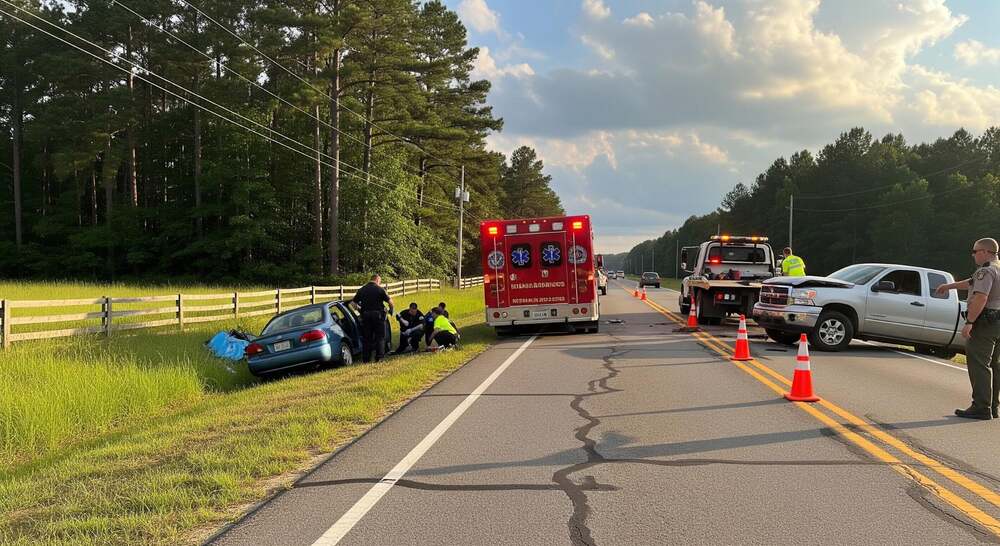
If you had a car accident in North Carolina and already have a claim open, or you are about to start one, it is natural to wonder how long a settlement will take. You may be balancing medical appointments, vehicle repairs, and calls from insurance adjusters while trying to estimate whether you are looking at a few months or something closer to a year or more.
Some North Carolina car accident cases resolve within several months once treatment and documentation are in place. Others take around a year. Disputed cases, serious injuries, and claims that require litigation can take longer.
The Short Answer: North Carolina Settlement Timelines Vary Widely
Many straightforward North Carolina car accident claims resolve in several months once your primary treatment is substantially complete, records and bills are collected, and a demand package is sent to the insurer. Some settle in less than a year when injuries are clearly defined, liability is reasonably clear, and available policy limits are known. More complex cases, including serious injuries, significant lost wages, disputed liability, or multiple sources of coverage, often take a year or more, especially if a lawsuit is filed and the case proceeds through discovery and mediation.
A claim usually should not settle until your injuries and expected recovery are understood well enough to estimate long-term impact. Accepting an early offer before your providers can give a reasonable prognosis can leave you with uncovered medical needs or wage loss later.
What Drives the Timeline in North Carolina: Treatment, Fault, and Insurance Leverage
Most settlement timelines are driven by three practical factors: medical treatment, liability clarity, and insurer behavior.
Medical treatment affects timing because settlement value depends on what care you needed, what you may still need, and how your injuries affect daily life and work. Fault disputes can slow down the process because North Carolina contributory negligence gives insurers an incentive to focus on shared-fault arguments. Insurer processes can also add delay, especially when documentation requests repeat, internal approvals take time, or the insurer refuses to engage meaningfully until litigation pressure increases.
How Long Will It Take To Settle My Car Accident Claim in North Carolina?
Many North Carolina claims move toward settlement once your condition has stabilized enough for providers to describe your diagnosis, your treatment plan, and your expected future needs, and once the insurer has the records and bills needed for evaluation.
Your timeline commonly depends on:
- The duration of treatment and whether future care is still uncertain
- Whether liability is clear or being contested
- Policy limits and whether additional coverage may apply
- How quickly records, bills, and wage loss documentation can be gathered
- How responsive the insurer is once documentation is complete
- Whether a lawsuit becomes necessary to move the case forward
A North Carolina car accident lawyer can often provide a more tailored range after reviewing the crash facts, your injuries, and how the insurer is responding.
Is a Quick Settlement a Red Flag in a North Carolina Injury Case?
A very fast settlement offer can be a red flag when it arrives before the medical picture is clear. Insurers may move quickly to close a file before the full scope of injuries, treatment needs, and work impact is known. If you sign a release and accept a settlement while injuries are still evolving, you typically cannot reopen the claim later if new problems appear or treatment becomes more extensive than expected.
A quicker settlement can be reasonable in a limited set of situations, such as:
- Property damage only claims with no injury component
- Injury claims where treatment is complete and records support a stable outcome
- Cases where liability and coverage are clear and documentation is already organized
The key is whether you and your providers understand the injury, the recovery path, and any future risks before you agree.
Why Does My Medical Treatment Timeline Affect My Settlement in North Carolina?
A settlement should reflect what has already happened medically and what you are reasonably likely to need going forward. Until providers have a clear diagnosis and a stable treatment plan, valuing the claim is based on incomplete information. If you settle before knowing whether you will fully recover, need ongoing care, or face lasting limitations, you risk accepting less than the claim ultimately requires.
You do not always need to be completely finished with every aspect of treatment to settle. Often, what matters is whether your condition has stabilized enough to allow a reasonable estimate of:
- Future medical care and related costs
- Work restrictions, time missed, and any lasting wage impact
- Functional limitations in daily life
A clearer medical picture usually leads to a more accurate demand package and more realistic negotiations.
Can Contributory Negligence Slow Down a North Carolina Car Accident Settlement?
Contributory negligence can slow down settlement in North Carolina because liability disputes often become central. If the insurer believes it can argue that you share fault, it has more reason to resist paying a fair amount or to push for a lower settlement position.
In practice, this can lead to:
- More investigation into statements, scene evidence, and witnesses
- More back-and-forth over the crash report and liability narrative
- Delayed meaningful negotiations until more evidence is exchanged
- A higher likelihood that a lawsuit will be filed so the case can proceed through formal discovery and, later, mediation
When the dispute is primarily about fault, time is often spent developing and testing evidence rather than simply collecting medical records and negotiating value.
Do Car Accident Settlements Take Longer in North Carolina Than in Other States?
Some aspects of settlement timing are similar everywhere. Treatment length, record collection, insurer review processes, and court scheduling affect timelines regardless of location. North Carolina’s contributory negligence rule can change the dynamic in cases where liability is disputed, because insurers may be more motivated to litigate fault rather than pay.
North Carolina courts also commonly use mediation once a lawsuit is filed. Mediation can create structure and a defined settlement point, but it adds steps and scheduling that can affect timing.
The Typical Stages of a North Carolina Car Accident Settlement
Most North Carolina car accident cases move through a series of stages, even if they settle before trial. Not every case follows every stage, and some stages overlap. This roadmap helps explain where time is usually spent.
A typical path includes:
- Immediate investigation and claim setup. After the crash, you or your lawyer obtains the crash report, preserves photos and other evidence, gathers witness information, and opens the relevant insurance claims.
- Medical treatment and documentation. You receive care and follow-up treatment. Records and bills accumulate, and your legal team tracks diagnoses, treatment plans, and any long-term concerns.
- Demand package preparation. Once your condition has stabilized enough to estimate future impact, records, bills, wage information, and supporting evidence are assembled into a demand package.
- Settlement negotiations. The insurer reviews the demand and responds. Negotiations typically involve counteroffers, clarifying questions, and additional documentation.
- Filing a lawsuit if needed. If negotiations stall or the insurer refuses to make a fair offer, a lawsuit may be filed. The defendant is served and responds.
- Discovery. Both sides exchange information through written discovery, records requests, and depositions. This phase often takes months.
- Mediation. In many cases, mediation occurs before trial. It is a common point where cases resolve once both sides have a clearer view of the evidence and risk.
- Trial preparation and trial. If the case does not settle at mediation, it moves toward trial. Some cases resolve shortly before trial; others are decided by a judge or jury.
What Are the Main Steps in the Car Accident Settlement Process in North Carolina?
Most cases begin with investigation and medical treatment. Once your condition is stable enough to estimate future needs, a demand package is prepared and negotiations begin. If the insurer engages reasonably and liability is clear, many cases settle during this phase.
If negotiations do not produce a fair result, the case may move into litigation. Litigation adds structured discovery and often leads to mediation, which is a common settlement point once both sides have exchanged key information.
When Does Mediation Usually Happen in a North Carolina Injury Case?
In a North Carolina car accident lawsuit, mediation often occurs after the parties have exchanged key information in discovery but before trial. The timing varies by court and case schedule, but mediation is frequently set after depositions and important document exchanges provide enough context for serious settlement talks.
Many cases resolve at mediation because both sides understand the evidence, risks, and likely range of outcomes more clearly.
Do All North Carolina Car Accident Cases Follow the Same Settlement Steps?
No. The stages above are a common roadmap, not a strict checklist. Some simpler cases with mild injuries and clear liability settle early, sometimes before a lawsuit is filed. More serious cases, especially those involving disputed fault, significant injuries, or contested damages, may require litigation steps.
A case is not abnormal if it settles at a different stage or skips a stage. Strategy and timing should match the facts, the medical situation, and the insurer’s posture.
Pre-Lawsuit Settlement Versus Lawsuit Timeline in North Carolina
Cases generally resolve either through pre-suit negotiations or after a lawsuit is filed. Pre-suit settlement is usually faster and less formal. Filing a lawsuit often extends the timeline, but it can create leverage, allow formal discovery, and move the case toward mediation and trial dates that push resolution.
The right path depends on how far apart you and the insurer are on value, whether liability is disputed, and whether the insurer is using fault defenses to justify a low position.
How Long Does It Take To Settle Without Filing a Lawsuit in North Carolina?
When a case settles without a lawsuit, many claims resolve once three milestones are met:
- Treatment has stabilized enough to estimate future needs
- Records, bills, and wage-loss documentation are complete
- The insurer is engaging in meaningful negotiations
If the insurer is unreasonable, denies fault, or refuses to offer fair value, pre-suit settlement can stall. At that point, filing suit may be necessary to move the claim forward.
If I File a Lawsuit, How Much Longer Does a Settlement Usually Take in North Carolina?
Filing a lawsuit adds time because the case must follow procedural steps such as service, an answer, discovery schedules, deposition availability, mediation scheduling, and court calendars. Settlement can occur at many points in litigation, but it often happens at mediation or later in the case when both sides have a clearer view of their risks.
Some cases resolve shortly before trial. Others proceed to trial and are decided by a judge or jury.
How Long After a Settlement Do You Get Paid in North Carolina?
Reaching a settlement and receiving funds are related but separate steps. Typically, the sequence is:
- Settlement terms are finalized and you sign a release
- The insurer issues and delivers the settlement check
- The check is deposited into a trust account and clears
- Liens and reimbursement obligations are confirmed and resolved
- A final settlement statement is prepared and funds are disbursed
This process helps protect you from future collection issues and supports proper trust accounting and ethics compliance.
How Long After Signing a Release Will I Receive My Settlement Check in North Carolina?
Many clients receive their portion of settlement funds within about three to eight weeks after signing a release, assuming there are no unusual complications. Timing can vary based on insurer processing, mailing time, bank clearance, and the time needed to confirm lien or reimbursement amounts.
Certain situations can extend the timeline, including large or disputed liens, slow insurer processing, court approvals required for minors, or estate issues in wrongful death cases.
Why Do Medical Liens Delay Settlement Payouts in North Carolina?
Medical liens and reimbursement claims can delay payout because certain providers or payors may have legal rights to be repaid from a settlement. This can include hospital liens, health insurance plans, Medicare, or Medicaid.
Resolving liens takes time because final amounts must be confirmed, disputes addressed when appropriate, and payment handled correctly. Ignoring liens or paying them improperly can lead to later collection efforts and legal complications.
What Happens Between Settlement and Receiving My Check in North Carolina?
After settlement, the legal team typically confirms lien amounts, reviews final medical bills, calculates fees and costs, and prepares a closing settlement statement showing how the settlement is divided. Once funds clear and lien issues are handled, your net amount is disbursed by check or transfer.
This step-by-step process is designed to prevent later disputes and protect your financial outcome.
Practical Ways To Avoid Unnecessary Delays Without Undervaluing Your Claim
Some delays are unavoidable. Others can be reduced with organization and consistent follow-through.
Steps that often help minimize avoidable delays include:
- Keep medical appointments and follow recommended treatment
- Provide requested documents, including pay stubs and medical bills, promptly
- Maintain a simple log of symptoms, missed work, and out-of-pocket expenses
- Save and share accident-related photos, videos, and witness contact information
- Respond quickly to requests from your lawyer’s office
- Avoid posting about the accident or your injuries in ways that create confusion
What Can I Do To Help Move My North Carolina Settlement Forward?
Consistent treatment, good documentation, and prompt communication are the main levers you control. If your symptoms change, work restrictions shift, or new providers become involved, updating your lawyer early helps prevent documentation gaps and avoids delays in assembling a complete demand package.
Should I Talk to the Other Driver’s Insurance Adjuster About Timing?
It is reasonable to ask basic status questions. However, injured people should be cautious about substantive conversations with the other driver’s adjuster, especially about fault, the extent of injuries, or how quickly you expect to recover. Those topics can affect both liability and claim value.
If you have a lawyer, questions about timing, offers, and next steps are often better handled through your attorney so communication stays consistent and you are not pressured into guesses or broad statements.
Talk With a North Carolina Car Accident Lawyer About Your Settlement Timeline
Your settlement timeline depends on several factors, including the seriousness of your injuries, how long treatment takes, how clear liability is, how the insurance company handles your claim, and whether litigation becomes necessary. A North Carolina personal injury lawyer at Lanier Law Group can help you understand whether your case is more likely to resolve through pre-suit negotiations or whether a lawsuit may be needed, and can help you evaluate whether settlement discussions are happening at the right time instead of too early.
If you are unsure what to expect or worry about settling before your medical picture is clear, you do not have to guess your way through the process. Call Lanier Law Group at 919-342-1368 or contact us online for a free consultation. Our team is ready to walk you through the likely stages ahead, explain your options, and fight like a heavyweight to move your case forward in a way that protects your right to pursue fair compensation.