A spinal injury after a serious crash on a North Carolina roadway can change life in an instant. Instead of only worrying about vehicle repairs and a few medical bills, you may be facing surgeries, long hospital stays, rehabilitation, and questions about whether you will walk, work, or live independently again. Families quickly discover that the real cost of a serious spine or spinal cord injury is measured not only in hospital charges, but also in lost income, home changes, equipment, and the daily effort required to handle basic tasks.
Compensation in a North Carolina spinal injury case is meant to account for that full picture, not just the first few weeks after a wreck. When a collision in Raleigh, Charlotte, Greensboro, Wilmington, or any other community leaves someone with long-term spinal damage, the claim can touch nearly every part of life: medical and rehabilitation needs, future caregiving, home and vehicle modifications, time away from work, and the loss of comfort and independence that used to be taken for granted. Understanding what compensation may cover is a first step toward planning for the future after a serious crash that injures your spine.
What Compensation May Cover After a North Carolina Spinal Injury Crash
After a North Carolina car or truck crash, compensation for a spinal injury may cover both financial losses and human harms. Financial losses can include current and future medical treatment, rehabilitation, equipment and home changes, lost wages, and reduced earning capacity. Human harms can include pain, emotional distress, loss of enjoyment of life, and the impact on family relationships and independence.
Those amounts are usually supported by medical records, a life care plan for future needs, employment and wage documentation, and testimony about how the injury affects your day-to-day life. The details depend heavily on your diagnosis and how the injury changes what you can do.
Spinal Injury vs Spinal Cord Injury: What the Diagnosis Can Mean for Recovery and Costs
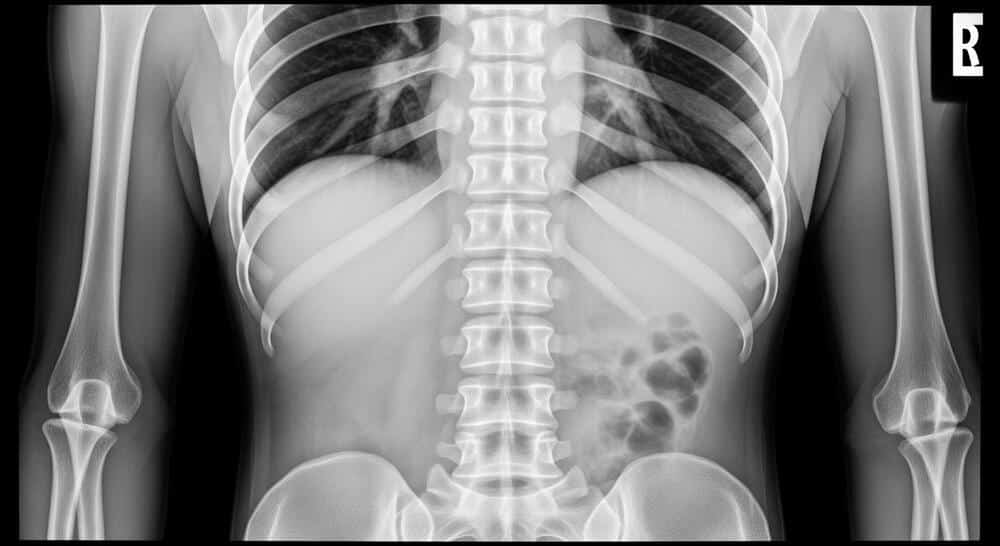
North Carolina crash victims can receive a wide range of spinal diagnoses, and it is important to understand the difference between spinal injuries and spinal cord injuries. A spinal injury can involve the bones, discs, ligaments, and muscles that support the spine. A spinal cord injury involves damage to the cord and nerve pathways that carry signals between the brain and the rest of the body. When the cord itself is injured, communication between the brain and muscles or organs can be partially or completely disrupted.
Spinal cord injuries are often described as incomplete or complete. In an incomplete spinal cord injury, some signals still travel past the injury site, so a person may retain partial movement or sensation. In a complete spinal cord injury, the person usually loses all movement and sensation below the level of the injury. These differences can affect a person’s ability to walk, use their hands, control bladder and bowel function, and manage other bodily systems.
Doctors also classify spinal cord injuries by level, such as cervical, thoracic, or lumbar. Cervical injuries in the neck can affect the arms and legs and may involve breathing support, while thoracic and lumbar injuries tend to affect the trunk and legs. Higher-level injuries often lead to more extensive medical care, greater dependence on equipment and attendants, and higher long-term costs.
What Is the Difference Between a Back Injury and a Spinal Cord Injury?
Back injuries from North Carolina car and truck wrecks can include muscle strains, ligament sprains, herniated or bulging discs, and fractures of the vertebrae. These conditions may cause pain, stiffness, limited range of motion, and difficulty lifting or bending. Many back injuries improve with time, rest, physical therapy, injections, or surgery, although some lead to chronic pain and ongoing activity limits.
Spinal cord injuries are different because they directly affect the cord and nerve pathways. Someone with a spinal cord injury may lose movement, sensation, and control over bodily functions below the injury level, and may need a wheelchair, assistance with transfers, and help with daily activities. Because these injuries often require lifelong medical care, equipment, and support services, they tend to lead to higher settlement values when liability and insurance coverage allow. Understanding this distinction helps explain why some crash cases are considered catastrophic and why future costs are such a major part of the claim.
Common Causes in Car and Truck Crashes Across North Carolina
Severe spinal injuries and spinal cord injuries often occur when forces on the body are extreme, which is common in North Carolina car and truck crashes. High-speed impacts, sudden changes in direction, and intrusion into the passenger compartment can all place tremendous stress on the spine.
Common crash types that can lead to spinal injuries in North Carolina include:
- Rear-end collisions that whip the neck and back forward and backward
- Head-on collisions that slam occupants against restraints and structures
- T-bone crashes at intersections where vehicles strike the side of another car
- Rollovers that throw occupants around the interior or partially eject them
- Jackknife crashes involving tractor-trailers
- Multi-vehicle pileups on congested highways
These crash patterns occur regularly on routes such as I-40, I-85, I-95, US-70, and other major corridors through cities like Raleigh, Charlotte, Greensboro, Durham, Fayetteville, and Wilmington. Heavier vehicles and higher speeds on these roadways increase the chances of high-energy impacts that cause catastrophic spinal injuries.
Are Truck Accidents More Likely to Cause Catastrophic Spine Injuries?
Truck accidents often pose a higher risk of catastrophic spine injuries than collisions between passenger vehicles. A fully loaded tractor-trailer can weigh many times more than a car or SUV, and it takes much longer to slow or stop. When a large commercial truck strikes a smaller vehicle, the difference in size and weight means the occupants of the smaller vehicle experience extreme forces that can crush the passenger compartment and disrupt the spine.
Because of this, truck crashes are more likely to involve severe fractures, dislocations, and spinal cord injuries, especially when they occur at highway speeds. These cases also tend to involve a more complicated mix of medical treatment, home changes, and long-term support needs, which can significantly increase the projected lifetime cost of care.
Medical Care and Long-Term Needs That Compensation Often Addresses
Treatment for spinal and spinal cord injuries usually begins with emergency and short-term medical care. After a serious crash in North Carolina, that care can include ambulance transport, emergency room evaluation, imaging, spinal stabilization, surgeries, intensive care unit monitoring, and early rehabilitation in the hospital. Many people then transition to an inpatient rehabilitation facility where they work with therapists and learn new ways to move, transfer, and manage daily tasks.
Long-term medical needs often continue for years after the initial injury. These needs may include outpatient physical, occupational, and speech therapy, follow-up appointments with neurologists, physiatrists, and other specialists, ongoing medications, and management of complications such as spasticity, pressure injuries, or infections. For many North Carolina residents, this care may involve trauma centers and rehabilitation systems such as UNC, Duke, WakeMed, Novant, Atrium, ECU Health, and New Hanover Regional. Over time, the combination of hospital care, rehabilitation, specialist visits, and complication management can create a substantial stream of medical costs.
The stages of care help explain why expenses add up over the life of a spinal cord injury.
Stages of Care and Why Costs Add Up Over Time
| Stage of Care | Examples of Services | Why the Costs Add Up Over Time |
| Emergency and Surgery | Ambulance, ER evaluation, imaging, spinal stabilization, surgeries | High initial charges, specialist fees, and facility costs |
| Inpatient Rehabilitation | Daily therapy sessions, nursing care, equipment training | Weeks or months of intensive, multidisciplinary treatment |
| Outpatient Therapy | Ongoing PT, OT, speech therapy, functional training | Regular visits over months or years to maintain and improve function |
| Ongoing Specialist Care | Neurology, physiatry, urology, pain management, primary care follow-up | Lifelong monitoring, medications, and periodic procedures |
| Complication Management | Wound care, respiratory support, infection treatment, readmissions | Recurrent hospitalizations and specialized interventions |
Two key questions for many families are what complications may develop and what equipment and home changes may be needed to manage daily life.
What Long-Term Complications Can Follow a Spinal Cord Injury?
A spinal cord injury can affect far more than movement and sensation. Many body systems can be disrupted, and those changes often create ongoing medical needs and costs.
Common long-term complications include:
- Neurogenic bladder with frequent infections or catheter dependence
- Bowel dysfunction and the need for regular bowel programs
- Chronic or neuropathic pain that can be difficult to control
- Spasticity and muscle tightness that interfere with movement and sleep
- Pressure sores from prolonged sitting or lying down
- Respiratory problems for higher-level injuries
- Changes in sexual function and fertility
- Depression, anxiety, and other mental health concerns
These complications tend to increase the amount of care, equipment, and support a person needs, which in turn raises the long-term costs that a fair compensation award should address.
What Assistive Devices and Home Modifications Are Common After a Spinal Cord Injury?
After a spinal cord injury, many North Carolina residents need assistive devices and home modifications to stay safe, reduce pressure injuries, and maintain as much independence as possible. These changes help with mobility, transfers, personal care, and daily activities at home or in an apartment.
Common devices and modifications include:
- Manual and power wheelchairs
- Walkers and rollators
- Transfer boards and mechanical lifts
- Hospital beds and adjustable bed frames
- Pressure relief cushions and specialized mattresses
- Ramps at entrances and exits
- Widened doorways and open floor plans for wheelchair access
- Roll-in showers and accessible bathrooms
- Grab bars and non-slip surfaces
- Lowered counters and workspaces
- Vehicle lifts, ramps, and hand controls
Many of these items have significant upfront costs and must be repaired or replaced over time. These expenses are part of the economic damages in a spinal injury claim, and accurate documentation helps show how often equipment must be serviced or replaced.
What Compensation May Cover in a North Carolina Spinal Injury Claim
A North Carolina spinal injury claim can pursue both economic and non-economic damages. Economic damages are tied to specific bills, wage losses, and projected future costs. Non-economic damages address the human impact of paralysis, chronic pain, and major limits on independence and activities.
Economic damages can include:
- Emergency and hospital care
- Surgeries and inpatient rehabilitation
- Outpatient therapy and specialist follow-ups
- Medications and supplies
- Assistive devices and home or vehicle modifications
- Lost wages and reduced ability to earn income in the future
Non-economic damages can include:
- Physical pain and discomfort
- Emotional distress and mental anguish
- Loss of enjoyment of life
- Loss of independence and dignity
- Impact on family relationships and intimacy
The following table shows how these categories often appear in a spinal injury case.
| Compensation Category | Examples | Evidence That Helps |
| Medical Expenses | ER care, surgeries, hospital stays, imaging, specialist visits | Bills, medical records, provider statements |
| Future Care | Ongoing therapy, follow-up visits, complication management | Life care plan, expert reports, treatment plans |
| Equipment and Modifications | Wheelchairs, lifts, ramps, bathroom remodeling, vehicle changes | Invoices, estimates, therapist recommendations |
| Lost Wages | Missed work during recovery | Pay stubs, employer letters, tax returns |
| Loss of Earning Capacity | Reduced ability to work or advance in a career | Vocational expert reports, employment history, economic analysis |
| Non-Economic Losses | Pain, loss of enjoyment of life, impact on relationships | Testimony from you, family, friends, and treating providers |
Under North Carolina law, punitive damages may be available in limited situations if the defendant’s conduct meets strict statutory standards, such as willful or wanton conduct. State law also caps punitive damages at the greater of a specific dollar amount or a multiple of the compensatory damages award, so these claims must be evaluated carefully. In most spinal injury cases, much of the total value comes from projecting future care and support needs.
Can a Claim Include Home Modifications and In-Home Care After Paralysis?
Yes. In North Carolina, economic damages in a spinal injury claim can include reasonable and necessary home modifications and in-home care when those needs stem from crash-related paralysis. These changes are often essential to allow a person to live safely in a townhouse in Charlotte, a single-family home in Wake County, or an apartment in Greensboro.
Covered items can include ramps, widened doorways, accessible bathrooms, lowered kitchen counters, and other structural changes, as well as in-home caregivers who assist with dressing, bathing, transfers, toileting, and other daily activities. To support these claims, it is important to document medical recommendations, contractor estimates, caregiver rates, and how often services are needed. These costs are often detailed in a life care plan when calculating future needs.
How Lawyers and Insurers Estimate Future Costs in Catastrophic Spine Cases
In catastrophic spinal cases, lawyers and insurers often rely on a life care plan to estimate future medical and support costs. A life care plan is a detailed report that identifies all probable future needs related to the injury and assigns projected costs over the person’s expected lifetime. It organizes everything from follow-up appointments and equipment replacements to in-home attendant care and transportation.
Because lifetime costs can be very high, insurers usually scrutinize these projections closely. They may argue about the frequency of visits, the need for certain therapies, or how long an attendant must be present each day. Vocational experts also play an important role by estimating how the spinal injury affects your ability to work and earn income in the future.
The table below shows common future cost areas and how they are estimated.
| Future Cost Area | Typical Examples | How Costs Are Estimated |
| Medical Follow-Ups | Specialist visits, imaging, lab tests | Visit frequency per year × cost per visit over projected years |
| Equipment Replacement | Wheelchairs, cushions, lifts, hospital beds | Expected lifespan of each item × replacement cost |
| In-Home Care | Attendants helping with daily activities | Hours per week × hourly rate × number of years |
| Therapy | Ongoing PT, OT, counseling, pain programs | Sessions per month × cost per session × duration |
| Home and Vehicle Modifications | Future remodels, vehicle replacements and adaptations | Occasional large expenses estimated over time |
| Vocational Loss | Reduced earning capacity, lost benefits | Difference between pre-injury and post-injury earnings, projected forward |
How Do Life Care Plans Estimate Future Medical and Support Costs After a Spinal Cord Injury?
Life care planners usually begin by reviewing all available medical records, imaging, and prior treatment notes. They often interview you and your family members, assess your current function, and consult with treating physicians and therapists. Based on this information, they list each probable future need related to the spinal cord injury and assign costs and replacement schedules using accepted medical and cost data.
Typical life care plan elements include:
- Medical visits, imaging, and diagnostic testing
- Medications and supplies
- Equipment purchases and scheduled replacements
- Home and vehicle modifications and updates
- In-home care, respite care, and attendant services
The life care plan then becomes a central tool in negotiations and at trial. Lawyers use it to explain why a settlement demand is set at a particular level and to support requests for funds that will cover future medical and support costs.
North Carolina Legal Issues That Can Change Eligibility and Value
Even in catastrophic spinal cases, North Carolina legal rules can limit or completely block recovery. Understanding these rules early can help you avoid missteps that harm your claim. Three concepts matter in many spinal injury cases:
- The statute of limitations sets strict timelines to file a lawsuit.
- North Carolina follows contributory negligence, a harsh rule on fault.
- Truck crashes can involve several responsible parties, which changes how insurance coverage and liability are analyzed.
How Long Do You Have to File a Car or Truck Accident Lawsuit in North Carolina?
For many North Carolina car and truck accident injury cases, including spinal injury claims, the general statute of limitations for personal injury is three years from the date of the crash. Missing this deadline can prevent you from filing a lawsuit at all, regardless of how severe your injuries are.
Waiting too long also increases the risk that evidence will disappear, witnesses will move or forget details, and medical records will become harder to gather. It is safer to speak with a lawyer well before this deadline so there is time to investigate, review medical care, and file on time if negotiation does not resolve the claim.
Can Contributory Negligence Bar a Spinal Injury Claim in North Carolina?
North Carolina follows contributory negligence, which means that if the injured person is found even slightly at fault for the crash, recovery can be barred in many cases. This rule can have severe consequences in spinal injury cases because it allows insurers and defendants to avoid paying damages if they can convince a jury that the victim shared any blame.
For example, an insurer may argue that a driver who suffered a spinal cord injury was traveling a few miles per hour over the speed limit, was momentarily distracted, or did not come to a complete stop at a sign. In a catastrophic case, these arguments are often used to pressure families into lower settlements or to defend the case at trial by raising doubt about fault.
There are limited legal doctrines that sometimes soften the outcome of contributory negligence, but they are highly fact specific and rarely simple. Because so much can ride on fault and evidence, your steps right after the crash matter.
What to Do After a Spinal Injury Crash in Raleigh, Charlotte, and Across North Carolina
After a car or truck crash in Raleigh, Charlotte, or anywhere in North Carolina, spinal symptoms should always be taken seriously. Pain, numbness, weakness, or changes in bladder or bowel function are warning signs that need prompt medical evaluation. Early treatment can prevent further damage and creates a clear record of how the injury developed.
Steps to take after a suspected spinal or spinal cord injury crash include:
- Call 911 and get emergency evaluation for any suspected spinal or spinal cord injury.
- Follow hospital and specialist recommendations, including rehabilitation and follow-up appointments.
- Keep a written log of symptoms, functional changes, and limits on daily activities.
- Save and organize all medical records, imaging results, and discharge paperwork.
- Take photos and videos of the scene, vehicles, and visible injuries when it is safe to do so.
- Avoid giving detailed recorded statements or signing broad releases for insurers before you understand your injuries and rights.
- Contact a North Carolina spinal cord injury lawyer experienced with car and truck cases as early as possible.
The lawyers at Lanier Law Group can help coordinate medical documentation, protect key evidence, handle communications with insurance companies, and pursue compensation while you focus on your recovery and your family. If a truck is involved, there is additional evidence that can be especially important to secure early.
What Evidence Helps Prove a Spinal Injury Claim After a Truck Crash?
In truck crashes, important evidence can be lost or destroyed if no one moves quickly to preserve it. Timely action is especially important in spinal cord injury cases where the stakes are high and multiple companies may be involved.
Helpful truck-related evidence in a North Carolina spinal injury case can include:
- Police crash report and any supplemental diagrams or notes
- Black box or electronic control module data from the truck
- Driver logs and electronic logging device records
- Truck inspection and maintenance records
- Trucking company safety policies and training materials
- Dashcam or surveillance footage from the truck or surrounding properties
- Witness statements from other drivers and responders
Medical records and imaging documenting spinal injuries and treatment, along with employment and wage records showing lost income, also play a critical role in both car and truck cases. An experienced North Carolina spinal cord injury lawyer can send preservation letters, work with experts, and take other steps to secure this evidence before it disappears.
Get Help Evaluating Compensation After a North Carolina Spinal Injury Crash
If a car or truck crash in Raleigh, Charlotte, Greensboro, Wilmington, or anywhere in North Carolina has left you or a family member with a spinal injury, you do not have to work through compensation questions on your own. Contributory negligence rules, complex truck liability, and high lifetime medical costs all create opportunities for insurers to minimize what they pay. Care plans, home modifications, in-home attendant care, and lost earning capacity must be carefully documented and projected, or they may never be fully reflected in a settlement offer.
If you are unsure whether an offer accounts for future medical needs, equipment replacements, home changes, and the daily impact of paralysis or chronic pain, you have the right to get clear legal guidance before making a decision. Call Lanier Law Group at 919-342-1368 or contact us online for a free consultation. We’re ready to review your medical and employment records, consult with experts, explain how North Carolina law affects your claim, and fight like heavyweights to pursue the compensation you need to move forward after a spinal injury.
